


Ask any parent what they actually want for their child, without the pressure of report cards and relatives comparing marks, and marks are rarely the first thing they say.
They talk about confidence. Resilience. A child who can handle disappointment, work in a team, speak up in a room, or simply feel comfortable in their own skin.
None of that comes from a textbook alone. It comes from sport, from art, from performing on a stage and forgetting your lines, from losing a match and playing again the next week. This blog is about how to actually evaluate whether a school in south Bangalore takes that seriously, or just talks about it.
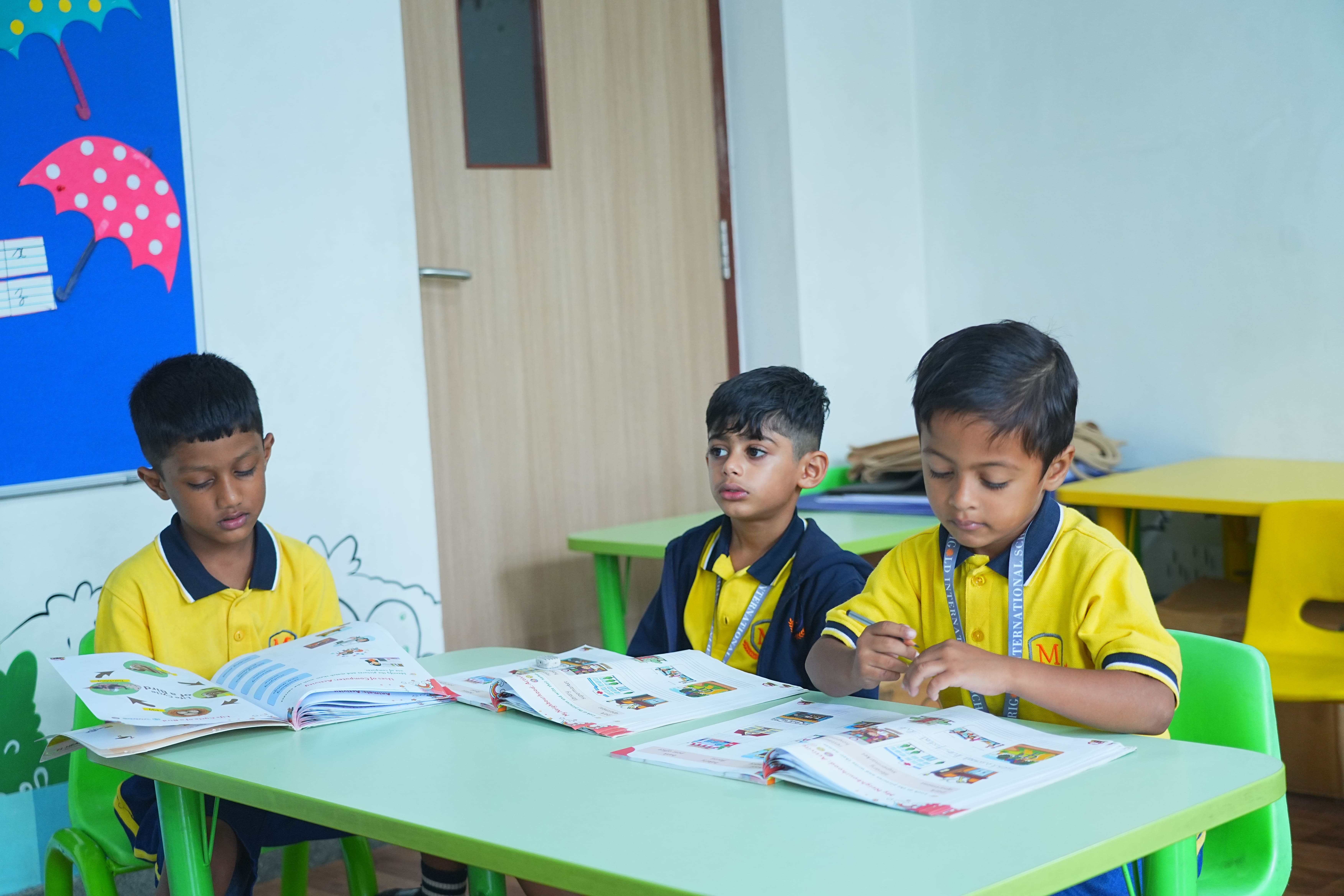
Why “Holistic Development” Has Become a Meaningless Phrase — and How to Fix That
Nearly every school in Bangalore, CBSE or otherwise, uses the phrase “holistic development” somewhere on their homepage. It has been repeated so often it’s stopped meaning much.
The way to cut through this is simple: stop asking schools whether they offer holistic development, and start asking exactly how many hours a week are dedicated to sports, art, and music for your child’s specific grade, with what facilities, and taught by whom.
Vague claims fall apart quickly under specific questions. Genuine programs hold up, and often the admissions team will get visibly more excited describing them, because there’s something real to describe.
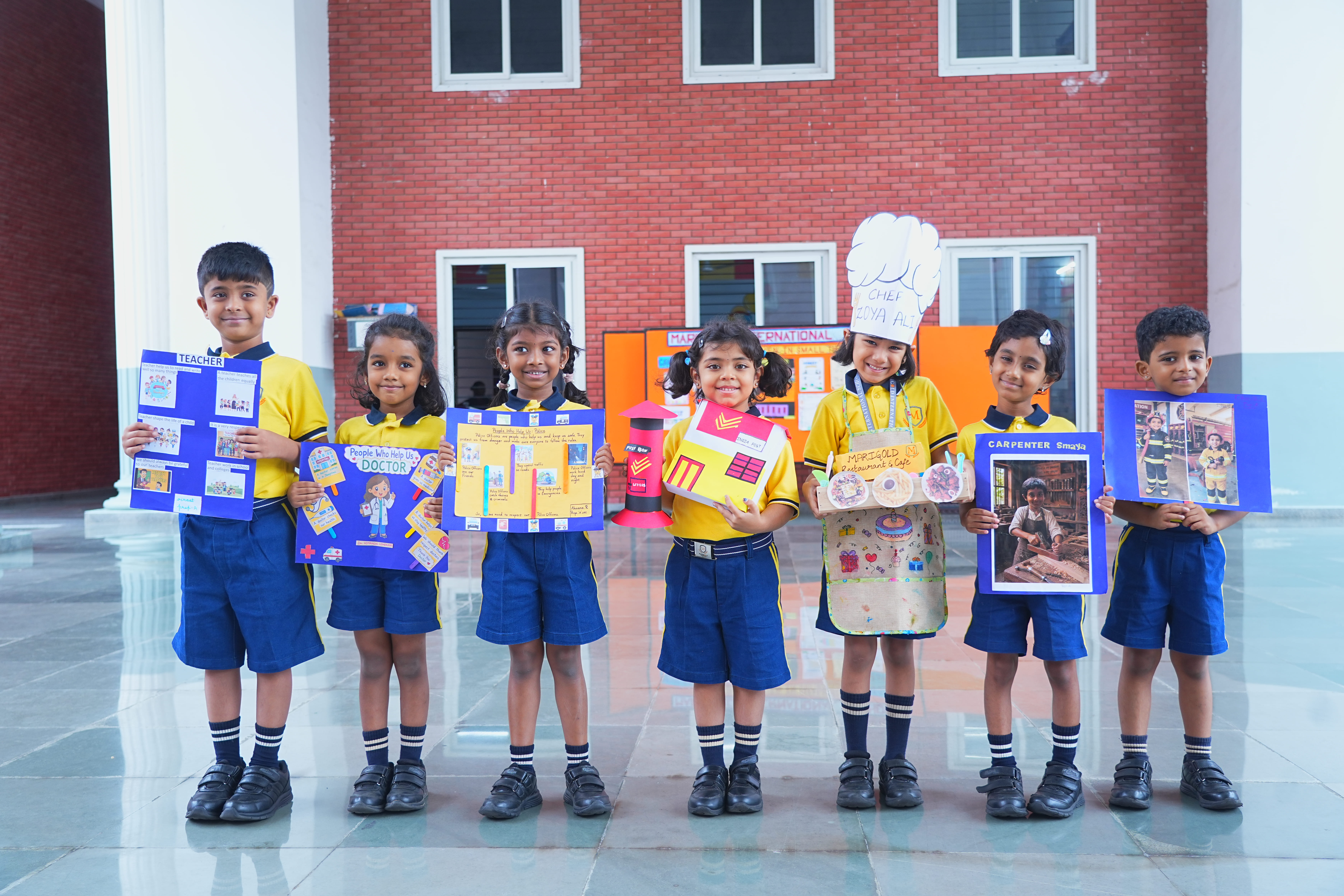
What Real Sports Infrastructure Actually Looks Like
A “sports facility” can mean a single shared basketball hoop, or it can mean multiple dedicated fields, coached programs, and real competitive opportunities. The gap between these two is enormous, and it comes down almost entirely to available land and genuine investment.
When evaluating a school, ask specifically:
- How many different sports have dedicated facilities on campus — not just “access to,” but actual space?
- Are coaches specialised in each sport, or is one physical education teacher covering everything?
- How many sports periods per week does each grade actually get, on the real timetable?
- Does the school participate in inter-school tournaments, and with what track record?
- Is there a structured pathway for a child who shows real talent in a particular sport?
A school built on a large campus, like Marigold International School’s 10-acre site in Kumbalgodu, has the physical room to offer genuinely varied sports infrastructure — something that’s simply harder to deliver on a compact, multi-storey urban campus, regardless of intent.
Why Sport Matters Beyond Fitness
It’s easy to file sports under “physical health” and move on. That undersells what’s actually happening when a child plays regularly on a team.
Team sports teach a child to lose gracefully and try again — a skill that transfers directly into how they handle academic setbacks and social disappointments later.
Individual sports and athletics build a different kind of resilience: the discipline of consistent practice with delayed, earned results, rather than instant gratification.
Regular physical activity is also strongly linked to improved classroom focus and reduced anxiety in school-age children — meaning a strong sports program isn’t separate from academic performance, it quietly supports it.
The Arts: Often Underfunded, Rarely Prioritised, Genuinely Important
Art and music programs tend to be the first thing schools cut corners on when budgets or space get tight, precisely because their value is harder to measure on a report card than a maths score.
That’s exactly why it’s worth asking pointed questions here too: is there a dedicated art room with real materials, or a shared table with a box of crayons? Is music taught by a trained specialist, or squeezed in as a filler period?
Creative expression gives children, especially those who don’t shine academically in traditional subjects, a genuine space to feel capable and proud of something they’ve made. For a shy or anxious child, that confidence can spill over meaningfully into other areas of school life.
Ask whether the school hosts real exhibitions, performances, or showcases where children’s creative work is genuinely celebrated, not just displayed once a year for the annual day.
Life Skills: The Quiet Curriculum Most Schools Skip
Beyond sports and arts, there’s a third, often-overlooked category: practical life skills — communication, financial literacy, basic problem-solving, emotional regulation, teamwork under pressure.
NEP 2020 explicitly encourages schools to build these into the curriculum, particularly from the middle school stage onward, rather than leaving them to chance.
Ask any shortlisted school: is there a structured life-skills or values curriculum, or does it happen informally, if at all? Concrete examples — a public-speaking module, a basic financial literacy unit, a conflict-resolution framework used by teachers — tell you far more than a values statement on a wall.
A Parent Scenario Worth Recognising
Consider a fairly common situation: a bright child who scores well academically but comes home quiet, withdrawn, and reluctant to talk about their day.
Often, digging a little deeper reveals the issue isn’t academic at all — it’s a school day with almost no unstructured social or physical time, leaving the child with no real outlet for the ordinary stress every child accumulates during a long school day.
Introducing regular sport, even something as simple as a twice-weekly team game, frequently changes this picture more than any academic intervention would. It’s a reminder that a child’s wellbeing at school is rarely just about the classroom, and evaluating a school purely on academic metrics misses a significant part of the picture.
Building a Habit, Not Just a Talent
One of the quieter benefits of a strong extracurricular program is what it teaches about consistency, separate from natural talent.
A child who isn’t the fastest runner in their year but shows up to practice twice a week for three years learns something academics alone rarely teaches as directly: that steady effort, sustained over time, produces real improvement — a lesson that transfers directly into how they approach difficult subjects, exams, and eventually, adult work.
Look for schools that frame sports and arts this way — as habits worth building regardless of natural aptitude — rather than only celebrating the handful of naturally gifted students each year.
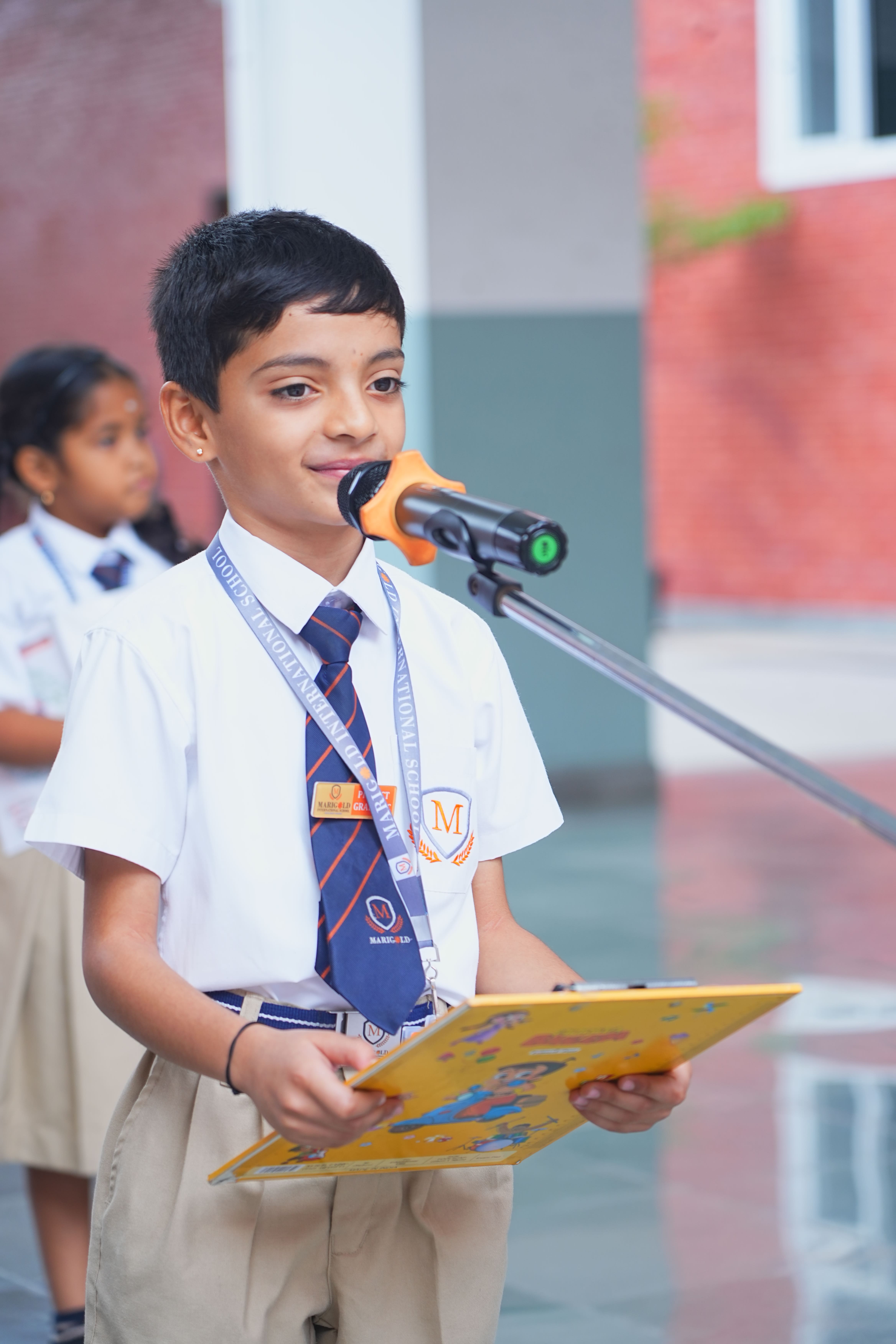
Drama, Public Speaking, and the Confidence Gap
Of all the “extra” activities schools offer, drama and public speaking often get the least attention, yet they address one of the most common gaps parents notice in their children: the ability to speak confidently in front of others.
A child who has stood on a stage, fumbled a line, and kept going develops a genuinely different relationship with public failure than one who has never had the chance to try. That comfort with visible, low-stakes failure is quietly one of the most valuable things school can teach, and it rarely shows up on any report card.
Ask whether the school runs regular, low-pressure opportunities for this — class-level presentations, morning assembly speaking slots, drama club — rather than only an annual, high-stakes performance that only a handful of children get to participate in.
How Parents Can Stay Involved Without Overstepping
Schools that do this well usually make it easy for parents to see and support extracurricular progress without turning it into another source of pressure.
Look for schools that share sports and arts updates through regular communication — a school app, a term newsletter, visible participation certificates — rather than extracurriculars existing in a communication blind spot compared to academic updates.
At home, the most useful thing a parent can do is show genuine interest without attaching performance pressure: asking about practice, attending showcases when possible, and celebrating effort and enjoyment over medals and rankings. This mirrors, at home, exactly the kind of low-pressure, consistency-focused culture worth looking for in a school.
How to Evaluate This on an Actual Campus Visit
Don’t rely on the annual day highlight reel or the sports trophy cabinet in the reception area. Those show you the best five percent, not the everyday reality for your specific child.
Instead, ask to see:
- A regular weekly timetable for the grade your child will join, showing actual sports, art, and music periods
- The sports facilities currently in use, not just the newest or most photogenic one
- Any current student artwork or projects on display, ideally dated recently
- A sample of how sports or arts achievements are recognised — certificates, showcases, structured pathways
If a school can show you all of this without hesitation, it’s a strong signal that these aren’t afterthoughts.
A Realistic Weekly Balance to Look For
There’s no single “correct” ratio of academics to extracurriculars, but as a general benchmark for primary and middle school grades, look for at least four to six periods a week combined across sports, art, and music — not counting occasional special events or annual day rehearsals.
For senior grades, where board exam pressure genuinely increases, some reduction is reasonable, but a complete disappearance of sports and creative time from Grade 9 onward is worth questioning directly. Adolescents arguably need these outlets even more, not less, given the academic pressure they’re under.
What to Do If Your Shortlisted School Falls Short Here
If, after asking these detailed questions, a school you otherwise love falls short specifically on sports and arts infrastructure, you have a few honest options rather than simply accepting the gap.
Ask directly whether expansion plans exist — some schools are mid-way through building new facilities, and a campus visit eighteen months from now might look quite different from today. Ask about partnerships with nearby sports academies or arts institutes that supplement on-campus offerings, since some schools address space constraints this way.
If neither applies, weigh the gap honestly against everything else the school offers. A school that’s otherwise an excellent fit but weaker on extracurriculars can often be supplemented with external activities on weekends — not a perfect substitute for daily access, but a reasonable middle path if every other factor points strongly toward that school.
Weighing This Against Academic Priorities
None of this suggests academics should take a back seat. Strong academic teaching remains the core reason you’re choosing a school in the first place, and it’s covered in depth across our other guides on choosing the best CBSE school in south Bangalore.
The point of this guide is narrower: don’t let a genuinely strong extracurricular program get treated as a nice-to-have, ranked far below facilities like labs or libraries in your decision-making. For a child’s overall wellbeing and long-term confidence, it often matters just as much.
When you’re down to your final two schools on a shortlist, and academics look comparable on paper, this is frequently the deciding factor worth weighing most carefully — because it’s the difference between a child who merely attends school and one who genuinely looks forward to it.
What This Looks Like at Marigold International School
Set across a 10-acre campus in Kumbalgodu, Marigold International School has built its infrastructure with genuine room for sports and outdoor activity alongside academics, reflecting a broader approach to education that treats physical and creative development as core, not optional.
For families in Kengeri, RR Nagar, Uttarahalli, or along the Mysore Road corridor evaluating this priority specifically, it’s worth visiting during a regular school day, if the school permits, to see sports and activity periods actually in progress rather than only during a scheduled tour.
A Word on Comparing Children to Each Other
One gentle but important note: holistic development isn’t a race against other children. A child who isn’t naturally athletic can still build genuine confidence and skill through consistent, low-pressure sports exposure — the goal isn’t producing a state-level champion in every child, but ensuring every child has real, regular access to movement, creativity, and skill-building as part of their normal week.
Schools that understand this distinction tend to run inclusive, low-pressure programs at the younger levels, with more competitive opportunities available for children who want to pursue them further, rather than sorting children into “talented” and “not talented” tracks too early.
A Final, Honest Note
Years from now, your child is unlikely to remember most of what was written on a worksheet in Grade 4. They will very likely remember the team they played on, the play they performed in, the trophy they didn’t win but tried for anyway.
That’s not a reason to deprioritise academics. It’s a reason to make sure the school you choose treats sports, arts, and life skills as seriously as it treats the subjects that show up on a report card.
Frequently Asked Questions
How many hours a week should a young child spend on sports and arts combined? As a general benchmark, four to six periods weekly across sports, art, and music for primary and middle school grades is a reasonable target to look for, alongside occasional special events.
Does a strong sports program come at the cost of academic performance? Generally, no — regular physical activity is linked to better classroom focus and lower anxiety, meaning a genuine sports program tends to support academic performance rather than detract from it.
How can I tell if “holistic development” claims are genuine before enrolling? Ask for specifics: actual weekly timetables, real facilities in daily use, coached programs, and evidence of student work or achievement, rather than accepting a general statement at face value.
Should extracurricular strength be a bigger priority than academics? Treat them as complementary, not competing, priorities. A school strong in both is the goal; where trade-offs exist, weigh them against your specific child’s temperament and needs.
Is campus size directly linked to the quality of sports and arts programs? Generally, yes, for sports specifically, since dedicated fields and courts require real acreage. Arts and music depend more on dedicated staffing and space allocation, which even compact campuses can sometimes prioritise well.
One last practical tip: ask your child, after any campus visit, what they remember most. Children often notice and remember details adults overlook entirely — a mural in the art room, a friendly coach on the field, a library corner that felt inviting. Their answer is worth taking seriously.
And a closing thought worth carrying into every school visit: ask not just what facilities exist, but what your child would actually choose to do there on a free afternoon. A trophy cabinet is impressive; a child genuinely excited to pick up a paintbrush or a bat after the last bell rings is the real evidence you’re looking for.
One more consideration for families with more than one child: siblings often have very different strengths — one drawn to sport, another to music, a third who’d rather read quietly in a corner. A school worth choosing should have genuine room for all three kinds of children to find something they love, rather than a program built around a single narrow definition of “talent.” Ask specifically how the school supports children with very different interests within the same family, not just a single profile of an ideal student.