


Every year in mid-August, schools across south Bangalore fill with tricolour badges, patriotic songs, and small children solemnly reciting speeches about freedom they’re only just beginning to understand. It’s a genuinely lovely tradition, and also, if you look closely, a useful window into something bigger.
How a school approaches a day like Independence Day — as a one-off event with flags and photos, or as a genuine entry point into deeper conversations about values, civic responsibility, and character — tells you something real about its broader approach to raising well-rounded children, not just well-performing students.
Why Values Education Deserves the Same Attention as Academics
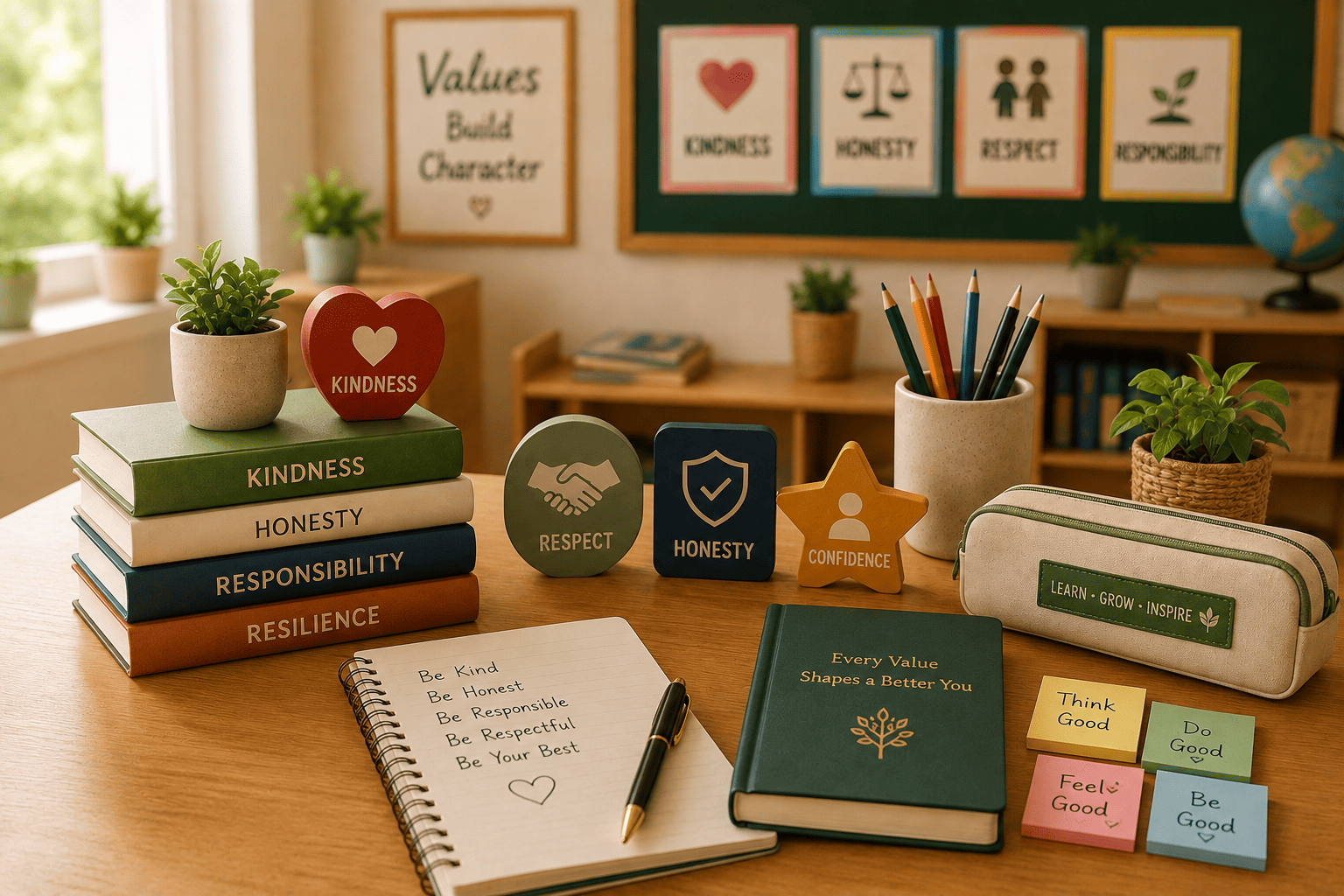
It’s easy for values and character development to feel like a soft, secondary concern compared to the more measurable, more urgent-feeling world of marks and exams. But most parents, if asked honestly what they most want their child to become, will talk about kindness, integrity, resilience, and a sense of responsibility toward others long before they mention a specific exam score.
The challenge is that these qualities don’t show up on a standard report card the way a maths score does, which makes it easy for them to receive less structured, deliberate attention than they genuinely deserve, both at school and, if we’re honest, sometimes at home too.
A school that takes this seriously treats it as something built consistently over years, not something addressed only during a handful of calendar events each year.
What Independence Day Can Actually Teach, Beyond the Flag Hoisting
The ceremony itself — the flag, the anthem, the speeches — is meaningful, but it’s really just the surface layer of what a thoughtful school can build around this day.
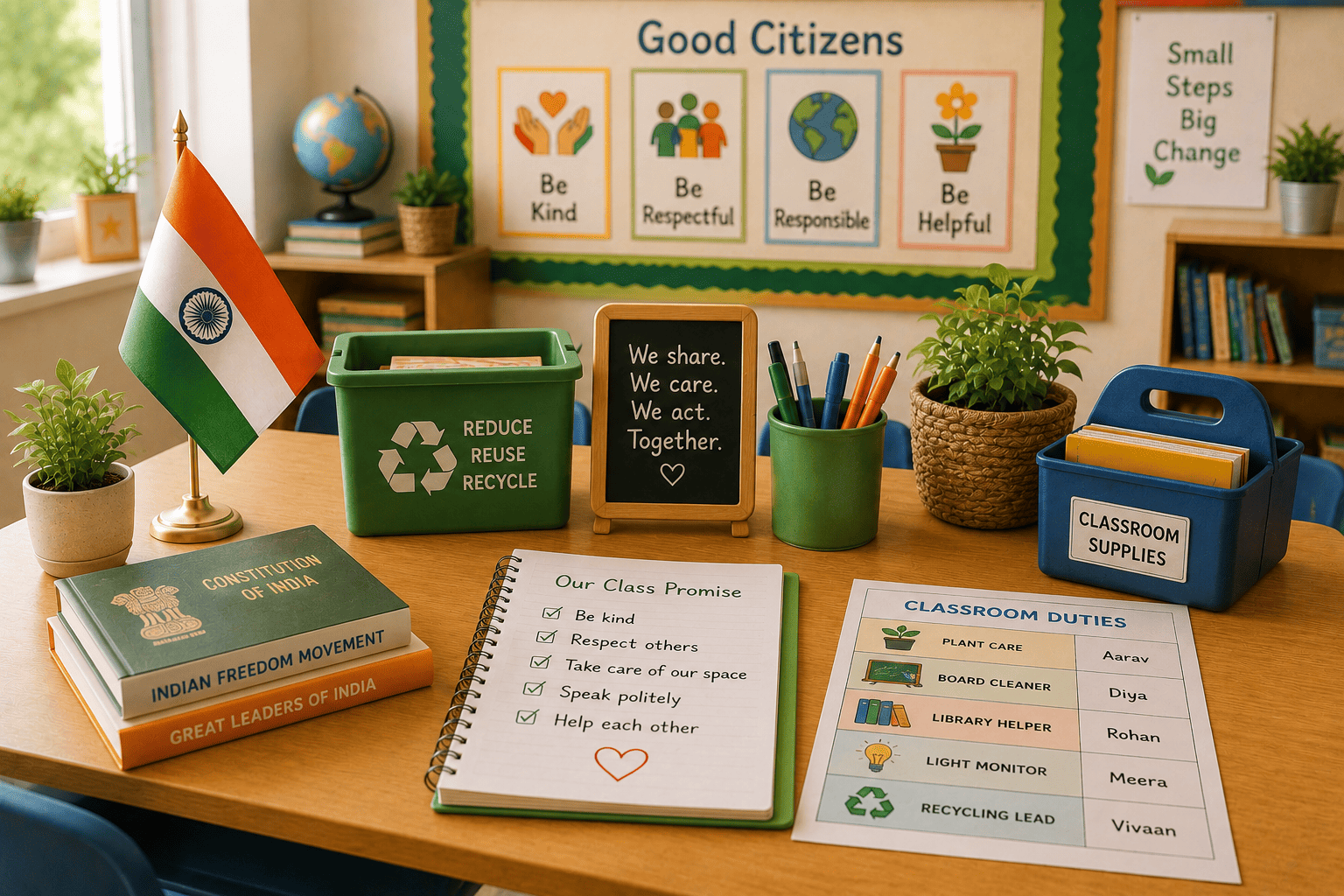
A genuine, age-appropriate understanding of history. Rather than simply memorising dates and names, a good approach helps children understand, in terms appropriate to their age, what independence actually meant for the people who lived through that transition, and why it still matters.
An early introduction to civic responsibility. Concepts like community, shared responsibility, and contributing to something larger than yourself can be introduced gently even to young children, through simple classroom discussions about what it means to care for a shared space or help a classmate.
A connection between historical courage and everyday courage. Discussing the courage of historical figures naturally opens the door to conversations about the smaller, everyday courage children themselves can practice — standing up for a classmate being treated unfairly, admitting a mistake honestly, or trying something difficult despite the fear of failing.
A sense of belonging to something larger. For children in a country as diverse as India, a shared national identity, celebrated thoughtfully rather than superficially, can be a genuine source of connection across differences in language, region, and background that might otherwise feel separating.
How Genuine Character Education Extends Well Beyond a Single Day
A school genuinely invested in character development doesn’t treat Independence Day, or any single calendar event, as the primary vehicle for values education. It builds these ideas into the ordinary rhythm of daily school life, consistently, across the year.
This might look like a structured program explicitly built around specific character traits — honesty, responsibility, empathy — introduced and reinforced across different grades and contexts, rather than addressed only reactively when a behavioural issue comes up.
It might look like teachers who consistently model and narrate the reasoning behind good choices, rather than simply enforcing rules without explanation — “we’re being quiet in the library because other people are trying to concentrate,” rather than just “be quiet.”
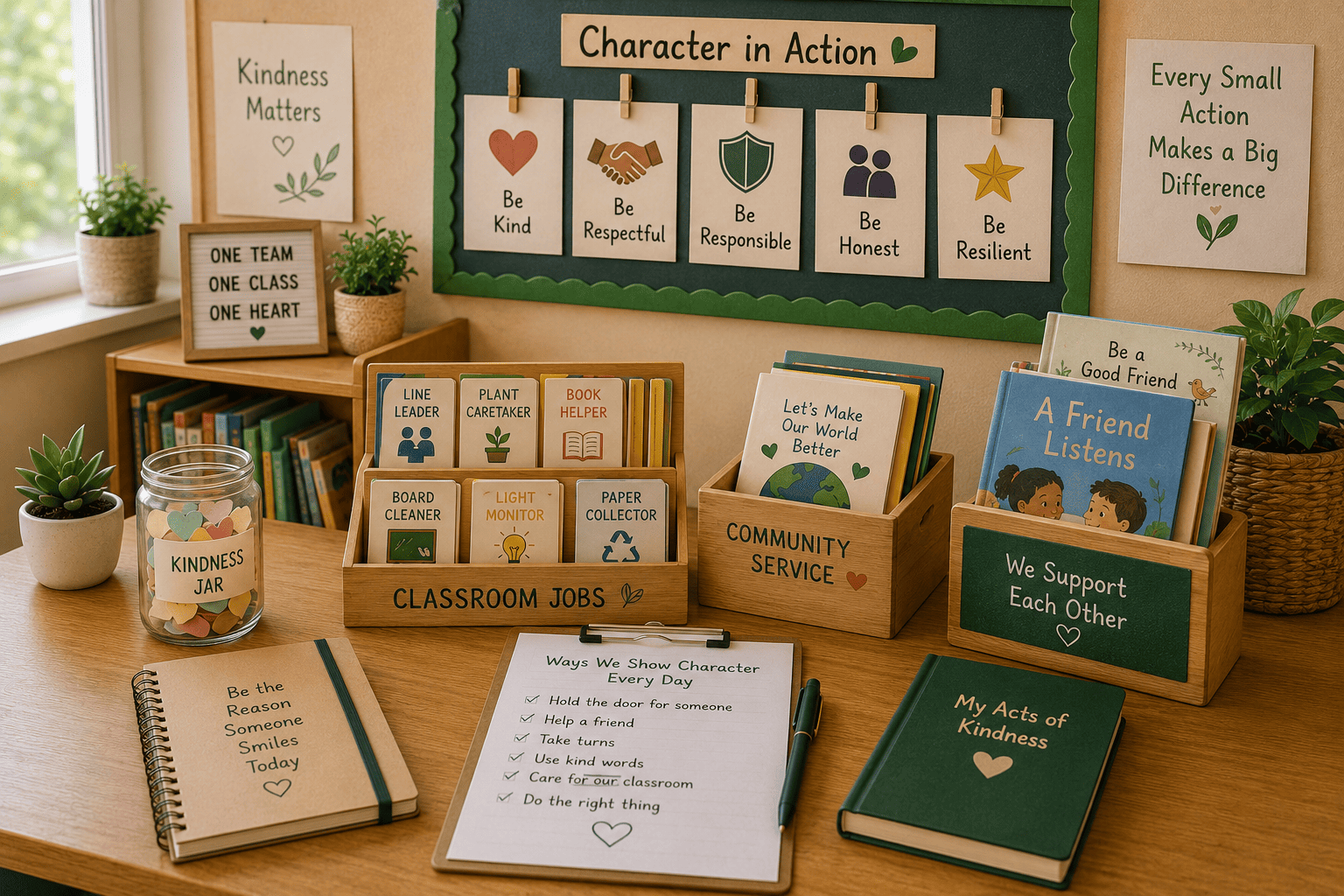
It might look like genuine opportunities for children to practice responsibility in small, real ways — classroom roles, peer support systems, age-appropriate community service projects — rather than only discussing values in the abstract.
Questions Worth Asking a School About This
“How do you build values education into daily classroom life, beyond specific calendar events?” Listen for specific, structured examples rather than a general statement about “instilling good values.”
“What happens when a child makes a poor choice — how is it handled?” A school’s disciplinary approach reveals a lot about its underlying philosophy. Is the focus purely on punishment and compliance, or is there also a genuine effort to help the child understand and learn from the situation?
“Are there structured opportunities for children to practice responsibility or leadership in small, age-appropriate ways?” Real, repeated practice matters more than occasional discussion.
“How do you handle differences in background, religion, or culture among students, particularly around events like Independence Day that touch on national identity?” A thoughtful school approaches this inclusively, celebrating shared identity without making any child feel excluded because of specific family beliefs or backgrounds.
Why Consistency Matters More Than Intensity
A school that puts enormous effort into a spectacular Independence Day celebration, complete with elaborate performances and decorations, but treats values education as largely absent from the other 350-odd days of the year, is missing the point in a fairly significant way.
Children build genuine character through repeated, everyday experience far more than through occasional, intense events, however meaningful those events feel in the moment. A single powerful assembly can plant a seed, but it’s the daily classroom culture — how conflicts get resolved, how kindness gets modelled, how mistakes get handled — that actually determines whether that seed grows into something lasting.
This is worth keeping in mind both when evaluating a school and when thinking about your own approach at home. Consistency, even in small, unglamorous daily moments, tends to matter more than the occasional big gesture.
How to Extend This Conversation at Home
Independence Day, and the classroom conversations it typically sparks, offers a genuinely useful, low-pressure opportunity to continue these themes at home too, beyond just watching the school’s celebration or sending your child off in tricolour colours for the day.
Simple, age-appropriate conversations work well: asking what your child learned about independence, what they think courage means, or what small thing they could do this week to help someone else, extend the classroom conversation into the household in a natural, unforced way.
For older children, this can extend into slightly more nuanced territory — discussing ongoing civic responsibilities, community involvement, or simple current events in an age-appropriate way, building the kind of broader awareness that a purely academic curriculum doesn’t always make room for.
A Real Scenario Worth Recognising
Consider a common moment: a Grade 4 class, right after an Independence Day assembly full of talk about courage and sacrifice, comes back to the classroom, and a child who was excluded from a group game earlier that week is still sitting alone at the edge of the room.
A thoughtful teacher notices the gap between the morning’s lofty themes and this immediate, small, everyday reality, and uses it as a genuine teaching moment — connecting the abstract idea of courage discussed that morning to something concrete and immediate: the courage it takes to include someone, or to speak up when a classmate is being left out.
This kind of connection, made in the moment rather than only during a scheduled values lesson, is exactly what separates values education that’s genuinely lived from one that exists only in ceremony. It’s a small example, but it’s the kind of small example that, repeated consistently over years, actually shapes character far more than any single assembly could.

How Different Age Groups Engage With These Themes Differently
A Nursery or LKG child’s understanding of Independence Day will necessarily be very simple — colours, a song, a general sense of celebration and pride — and that’s entirely appropriate for this age. Expecting deeper historical or civic understanding at this stage misunderstands what young children are developmentally ready to engage with meaningfully.
By upper primary, children can begin engaging with slightly more nuanced ideas — why independence mattered, what sacrifice means, simple concepts of civic duty — building gradually on the foundation established in earlier years.
By middle school and beyond, this can extend into genuinely thoughtful discussion — historical complexity, ongoing civic responsibilities, current events connected to the same underlying themes of freedom and responsibility. A school that calibrates this progression thoughtfully, rather than delivering the same simplified content year after year regardless of age, is showing real intentionality in how it approaches this area of a child’s development.
Balancing National Pride With Broader Global Awareness
A thoughtful approach to this kind of values education also makes room for building broader empathy and awareness beyond just national identity, particularly relevant for children who may grow up, study, or work internationally later in life.
Discussions around independence and freedom can naturally extend into broader conversations about human rights, global citizenship, and empathy for people and experiences beyond one’s own immediate community, building a foundation of open-mindedness alongside a genuine sense of national pride and belonging.
This balance — genuine pride in one’s own identity and history, alongside real curiosity and respect for others’ — is worth looking for specifically, since either extreme, excessive nationalism or a values education so generic it loses any specific cultural grounding, misses the fuller, more balanced picture worth building in children.
Why This Matters for Long-Term Development, Not Just Immediate Behaviour
It’s worth stepping back and considering why this deserves genuine investment, beyond simply wanting a well-behaved child in the here and now.
The character traits built through consistent, thoughtful values education — honesty, responsibility, empathy, resilience — are precisely the traits that matter most in adult life, arguably more than most specific academic content a child learns along the way. A child who has genuinely internalised these qualities carries them into every future relationship, workplace, and community they’re part of, well beyond the school gates.
This is, in many ways, one of the quieter but most important things a genuinely good school does — not just preparing children for the next exam, but shaping the kind of adult they’re gradually becoming, year after year.
What This Looks Like at Marigold International School
Marigold International School’s approach to values and character development is woven into its broader NEP 2020-aligned curriculum, treating this as a genuine, ongoing part of a child’s education rather than something confined to specific calendar events like Independence Day, Republic Day, or Gandhi Jayanti.
Across its stage-wise curriculum — from the early Discoverers years through to senior grades — the school aims to build consistent, age-appropriate opportunities for children to practice responsibility, empathy, and genuine civic awareness, alongside the more visible celebrations that mark the calendar.
For families evaluating schools with this specifically in mind, it’s worth asking directly during a visit how values education shows up on an ordinary Tuesday, not just during a special assembly, and listening for concrete, specific examples rather than general reassurance.
Frequently Asked Questions
How can I tell if a school’s values education is genuine versus mostly performative around specific events? Ask specifically how these themes show up in daily classroom practice, not just during special assemblies or calendar events, and ask to hear concrete examples rather than general statements about “instilling good values.”
Is it appropriate for schools to discuss national identity and history with young children? Yes, when handled thoughtfully and age-appropriately, this can build genuine understanding and belonging. The key is ensuring it’s inclusive and historically honest, rather than superficial or one-dimensional.
How much should I reinforce these themes at home versus leaving it entirely to school? Both matter, and the two reinforce each other well. Simple, natural conversations at home extend and deepen what’s introduced at school, without needing to be elaborate or formally structured.
What if my family has different views or beliefs than what’s emphasised at school around certain values or events? It’s worth having an open conversation with the school about how they approach this inclusively, and having honest, age-appropriate conversations at home about your own family’s perspective, helping your child understand that different families can hold different views respectfully.
Does values education actually affect academic outcomes, or is it entirely separate? There’s genuine overlap. Traits like responsibility, resilience, and self-management, built through consistent values education, directly support how well a child manages their own academic responsibilities and handles setbacks over time.
Why This Is Worth Weighing When Choosing a School
Values and character development rarely feature prominently in the standard checklist parents use when comparing schools, which tend to focus heavily on academic results, infrastructure, and fees. It’s worth deliberately adding this to your own evaluation, even though it’s harder to measure than a fee structure or a campus size.
Ask about it directly and specifically during any school visit, using the questions covered earlier in this guide, and weigh the quality of the answers alongside everything else that matters in your decision, covered more broadly in our companion guide on choosing the best CBSE school in south Bangalore.
A school that has clearly, thoughtfully invested in this dimension of a child’s development, not just their exam performance, is investing in the kind of person your child is becoming, not just what they know — arguably one of the most meaningful things a school does over the course of twelve or more years together.
A Final, Honest Note
Independence Day, and moments like it throughout the school calendar, are genuinely valuable, not because a single assembly transforms a child’s character, but because of what these moments represent when they’re part of a broader, consistent culture of values education rather than standing alone as isolated events.
The real test isn’t how impressive the celebration looks on the day itself. It’s whether the themes it raises — courage, responsibility, belonging, service to something larger than oneself — show up quietly, consistently, in how a school actually operates on an ordinary Tuesday in October, long after the flags have come down.
One last practical tip: the next time your child comes home from a values-themed school event, ask a simple, open question — “what’s one thing you want to try doing differently this week because of what you talked about today?” — and follow up on it gently a few days later. This small habit turns a single school moment into something genuinely lived at home too.
How can parents reinforce values education consistently at home, without it feeling forced or preachy? Model the behaviour yourself in small, everyday moments rather than relying solely on direct conversation — how you treat service staff, how you handle your own mistakes, how you talk about people who are different from your family. Children absorb far more from what they observe consistently than from any single explicit lesson, however well-intentioned. It’s a genuinely powerful, if easy to overlook, complement to whatever structured values education a good school provides during the day. Together, a thoughtful school and a mindful home give a child the most consistent, reinforcing environment possible for genuinely internalising these values over time. That combination, more than any single celebration or lesson, is what genuinely shapes character over the long run.