


Every year on the 5th of September, classrooms across south Bangalore fill with handmade cards, slightly wobbly thank-you speeches, and the occasional over-enthusiastic bouquet from a parent who wants to make sure a favourite teacher knows it.
It’s a lovely tradition, and it’s also a genuinely good moment to step back and ask a more useful question than “who’s your favourite teacher this year.” What actually makes a teacher good, in a way that matters for your child’s daily experience and long-term development, not just in a way that makes for a nice card?
This guide is about looking past charisma and popularity, toward the things that genuinely predict whether a teacher will help your child grow.
Why This Question Deserves More Thought Than It Usually Gets

Parents spend enormous energy evaluating schools — campus, curriculum, fees, safety — and comparatively little energy thinking specifically about what makes an individual teacher effective. Yet for a child, the specific teacher in front of them every day often matters more, day to day, than almost any other factor in their schooling.
A wonderful school with an indifferent teacher in a given year can still be a rough year for a child. A more modest school with a genuinely excellent, attentive teacher can still be a wonderful year. This isn’t an argument against evaluating schools carefully — it’s a reminder that teacher quality deserves its own, separate attention, both when choosing a school and once your child is enrolled.
Beyond Popularity: What Genuine Teaching Skill Looks Like
Children, understandably, often gravitate toward the teacher who’s the most fun, the most animated, the most likely to make a lesson feel like play. That’s a real and valuable quality, but it’s not the same thing as genuine teaching skill, and it’s worth distinguishing between the two.
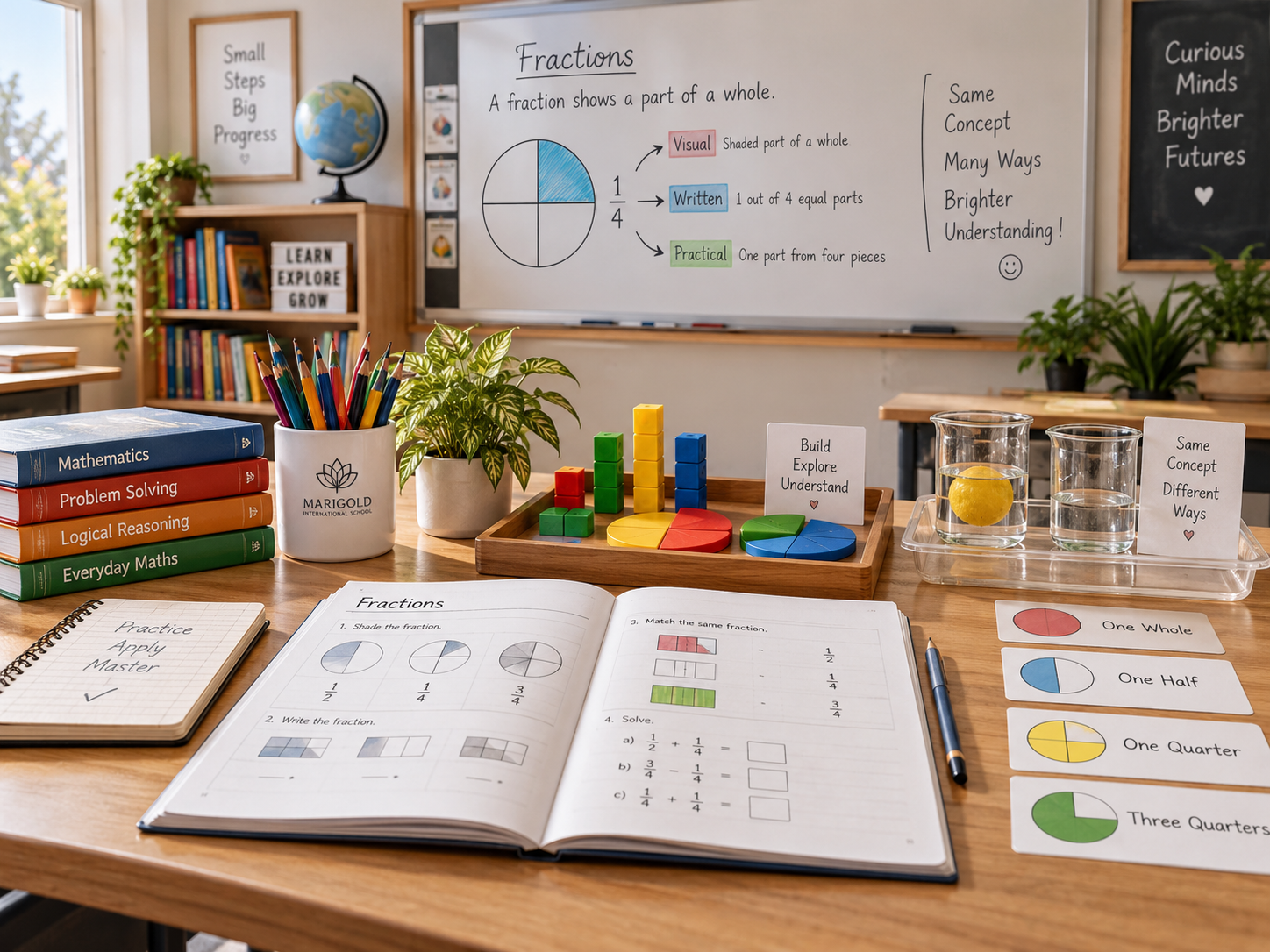
The ability to explain the same concept multiple ways. A genuinely skilled teacher doesn’t just have one way of explaining a tricky concept. When a child doesn’t understand the first explanation, a strong teacher has two or three other approaches ready — a different example, a visual, a hands-on activity — rather than simply repeating the same explanation more slowly and louder.
Noticing quiet struggle, not just visible confusion. Some children ask for help readily when they’re stuck. Others quietly disengage, nod along without understanding, or simply stop trying rather than draw attention to themselves. A genuinely attentive teacher catches this second group too, not just the children who raise their hands.
Calibrating expectations to the individual child, not just the class average. A strong teacher recognises that “good progress” looks different for different children, and pushes each child appropriately from where they currently are, rather than applying a single uniform standard regardless of starting point.
Managing a classroom without relying primarily on fear or punishment. Genuine classroom management comes from engagement, clear expectations, and mutual respect, not from being the strictest or loudest adult in the room. Children in these classrooms tend to be cooperative because they want to be, not purely because they’re afraid of consequences.
Genuine curiosity about each child as an individual, beyond their academic performance — their interests, their personality, what makes them tick. This is what allows a teacher to connect classroom content to something a specific child actually cares about, making learning feel relevant rather than abstract.
Why Teacher Turnover and Training Matter More Than Parents Often Realise
It’s easy to evaluate a school’s teaching quality based on a single positive interaction during a campus tour or open house. This gives an incomplete picture, and a couple of structural questions are worth asking that go beyond any individual impression.
Ask about teacher retention. High turnover, where teachers leave frequently, often signals underlying issues — poor working conditions, inadequate support, or a mismatch between the school’s stated values and its actual daily operations — that eventually affect classroom quality, even if any individual teacher you meet seems wonderful.
Ask about ongoing professional development. Good teaching isn’t a fixed skill acquired once during training and then applied unchanged for decades. Ask how the school invests in continuing to develop its teachers — regular training, peer observation, mentorship for newer teachers — rather than assuming initial qualifications alone guarantee ongoing quality.
Ask how the school supports teachers who are struggling. Every teacher has a harder term occasionally, for all sorts of reasons. A school that has a genuine, supportive process for identifying and helping a struggling teacher improve is different from one that simply lets performance vary unaddressed, or quietly manages it out of sight from parents.
What a Genuinely Well-Matched Teacher-Student Relationship Looks Like
It’s worth being honest that not every teacher is a perfect match for every child, and that’s completely normal rather than a sign of a school failing. A naturally quiet child might thrive with a calm, patient teacher and struggle somewhat with a high-energy, fast-paced one, and vice versa for a naturally energetic child.
This is one of the genuine advantages of a smaller school or smaller class groupings — there’s more room for a teacher to actually get to know a child’s specific temperament and adjust their approach, rather than defaulting to a single teaching style applied uniformly across a very large group.
If you sense a genuine mismatch between your child’s temperament and their current teacher’s style, it’s worth raising this directly and specifically with the school, rather than assuming nothing can be done. Many schools can make small adjustments — seating, particular attention, occasionally even a class change in more significant cases — once they understand the specific concern.
A Real Scenario Worth Recognising
Consider a fairly common situation: a parent notices their child, previously enthusiastic about a subject, has become noticeably flat and disengaged about it this term, despite no obvious change in the curriculum itself.
Before assuming the subject content is simply the problem, it’s worth considering the teacher-relationship angle specifically. A change in class teacher, even a genuinely competent one, represents a real adjustment for a child who had built a comfortable rapport with the previous teacher’s specific style and personality.
This doesn’t mean the new teacher is doing anything wrong. It often simply means the relationship needs a bit more time to develop, and gentle, curious conversation at home — “what’s it like having a new teacher this year, what’s different” — can help surface whether this is a temporary adjustment or something that genuinely needs addressing with the school directly.
The Difference Between a Strict Teacher and an Unkind One
Parents sometimes worry when they hear their child describe a teacher as “strict,” assuming this is automatically a negative sign. It’s worth distinguishing carefully here, since strictness and kindness aren’t actually opposites.
A genuinely good “strict” teacher holds clear, consistent expectations, follows through reliably on consequences, and maintains high standards, while still being fundamentally warm, fair, and encouraging in how they relate to children individually. Many children, particularly as they get a little older, genuinely thrive under this combination of structure and warmth.
An unkind teacher, by contrast, might use fear, humiliation, or inconsistent, unpredictable discipline to manage a classroom, which is a meaningfully different and more concerning pattern, regardless of whether a child initially describes both experiences using the same word, “strict.”
If your child describes a teacher as strict, it’s worth gently probing further — do they also describe the teacher as fair, and do they seem to feel fundamentally safe and respected, even while held to clear expectations? The answer to these follow-up questions matters far more than the initial word your child happened to use.
How Teaching Philosophy Connects to Curriculum Approach
It’s worth connecting this discussion back to a school’s broader curriculum philosophy, since the two are deeply intertwined. A school genuinely committed to NEP 2020’s more experiential, competency-based approach needs teachers trained and supported to actually deliver that kind of teaching, not simply a curriculum document describing it.
This is one of the more useful, concrete ways to evaluate whether a school’s stated philosophy is genuinely lived in the classroom or exists mainly on paper — ask specifically how teacher training connects to the school’s curriculum approach, and whether that training is ongoing and substantive rather than a single onboarding session delivered once and never revisited.

How to Actually Evaluate Teaching Quality on a School Visit
Beyond asking direct questions, there’s real value in simply observing a class in session, if the school allows it, rather than relying solely on conversation.
Watch how the teacher responds when a child gets something wrong. Is the correction gentle and instructive, or does it feel discouraging? Watch whether children seem genuinely engaged or simply compliant. Watch whether the teacher moves around the room, checking in with different children, or stays largely at the front directing activity from a distance.
None of this replaces a longer relationship with an actual teacher over a full term, but even a short observation reveals meaningfully more than a polished conversation with an admissions counsellor ever will.
What Genuine Appreciation Looks Like Beyond a Single Day
Teachers’ Day itself is a lovely, worthwhile tradition, but genuine appreciation for good teaching is really built through ongoing, specific acknowledgment throughout the year, not concentrated into a single annual event.
At home, this might mean specifically naming what you appreciate about a teacher when you communicate with them, rather than only reaching out with concerns or requests. A brief, genuine note — “thank you for how patiently you’ve worked with my child on reading this term” — means a great deal to a teacher managing a full classroom of children and families.
It’s also worth modelling genuine respect for teachers in how you talk about them at home, even when you disagree with a specific decision. Children absorb a great deal about how to relate to authority and expertise from how their parents discuss teachers, and undermining a teacher’s authority casually at home, even unintentionally, can make classroom management genuinely harder for everyone.
What to Do When a Teacher Relationship Genuinely Isn’t Working
Occasionally, despite everyone’s best efforts, a specific teacher-student relationship remains genuinely difficult for a full term, beyond what seems like a normal adjustment period.
If this happens, approach the conversation with the school constructively rather than adversarially — sharing specific examples of what’s been difficult, and asking collaboratively what might help, rather than immediately demanding a change. Most schools take this kind of concern seriously when it’s raised specifically and calmly, since a persistent mismatch genuinely isn’t good for the child, the teacher, or the classroom as a whole.
Why Teaching Quality Is Harder to Standardise Than Infrastructure
It’s worth acknowledging honestly that teaching quality is genuinely harder for any school, however well-resourced, to guarantee uniformly across every single classroom than something like campus infrastructure or curriculum design.
A school can build a beautiful, well-equipped campus once and maintain it consistently. Teaching quality, by contrast, depends on dozens of individual human relationships, each shaped by specific personalities, training, and daily circumstances, renewed fresh every single year with a new set of students.
This is exactly why the structural questions covered earlier — retention, ongoing training, support for struggling teachers — matter so much. They’re the mechanisms a school actually has for consistently supporting good teaching across many classrooms and many years, rather than simply hoping individual teachers happen to be excellent.
What This Looks Like at Marigold International School
Marigold International School’s approach to teacher development reflects its broader commitment to genuinely implementing NEP 2020’s more experiential, student-centred teaching philosophy, which requires ongoing training and support, not a one-time shift in classroom style.
For families evaluating this specifically, it’s worth asking directly during a visit about the school’s approach to teacher training, retention, and support, and, where possible, observing an actual class in session to see the teaching philosophy in daily practice rather than relying on a stated commitment alone.
Frequently Asked Questions
How much should a single teacher’s quality affect my overall opinion of a school? Weigh it meaningfully but not exclusively — a single difficult year with one teacher doesn’t necessarily reflect the school’s overall quality, though a genuine pattern of teaching quality issues across multiple classrooms or years is worth taking more seriously.
Is it appropriate to request a specific teacher or class for my child? Policies vary by school, and most are reasonably cautious about this to maintain fairness, but if you have a specific, well-founded concern about temperament fit, it’s worth raising directly and respectfully with the school rather than assuming it’s off the table entirely.
How can I tell if a teacher’s classroom management style is genuinely effective versus just strict? Look at how children behave when the teacher isn’t actively enforcing rules in the moment — genuine engagement and cooperation tend to persist, while compliance driven mainly by fear of punishment tends to be more visibly inconsistent.
Should I be concerned about high teacher turnover at a school I’m considering? It’s worth asking about directly and taking seriously as one factor among several, since consistent turnover can disrupt continuity for students and often reflects underlying issues worth understanding before enrolling.
What’s the most useful thing I can do to support a good teacher-student relationship for my child? Maintain open, specific, two-way communication with the teacher throughout the year, model respect for their expertise at home, and address concerns early and constructively rather than letting frustration build silently over a full term.
A Final, Honest Note
Teachers’ Day is a lovely tradition precisely because good teaching genuinely deserves celebration — it’s one of the most consequential, and often underappreciated, influences on how a child experiences their entire childhood.
Look past the cards and speeches for a moment this year, and consider the more structural questions covered in this guide, both for schools you’re evaluating and for the teacher your child already has. The answers tell you far more about your child’s actual daily experience than any single impression ever could.